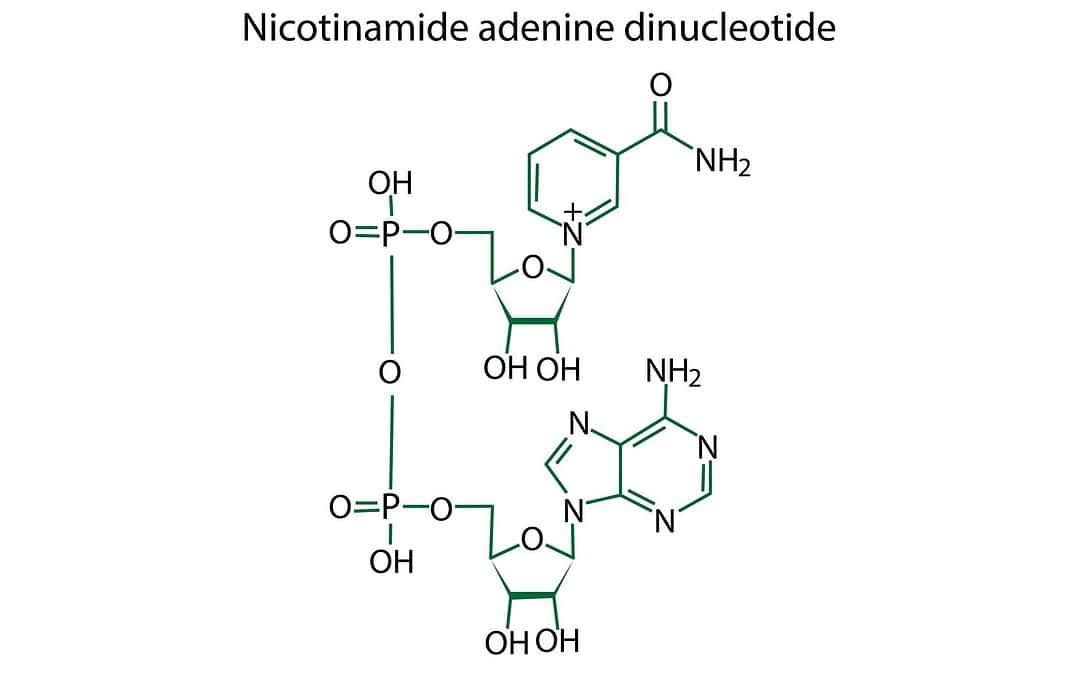
NAD+ peptide, an acronym denoting nicotinamide adenine dinucleotide, represents the oxidized iteration of NADH. Its principal biological role is speculated to encompass the mediation of electron transfer from one biochemical reaction to another, thereby potentially...
Livagen, a short peptide closely related to Epitalon (Epithalon), appears to possess notable potential impact on the immune system, gastrointestinal (GI) tract, and liver. Known as a peptide bioregulator, Livagen is speculated to exert direct influence on DNA and gene...
The PTD-DBM peptide is a fusion protein that research indicates is a potentially synergistic combination of the transduction properties of the Protein Transduction Domain (PTD) with the functional domain of the Dishevelled Binding Motif (DBM). Dishevelled (DVL) is a...
Kisspeptin-10, alternatively known as metastin, is an endogenous peptide, and a popular research compound for its potential involvement in hormone signaling processes related to puberty and reproduction.(1) This naturally occurring protein appears to exhibit...
Humanin, a naturally occurring micro-peptide, appears to possess unique characteristics as research indicates the peptide may be encoded in the mitochondrial DNA, which is considered to be exclusively present in mitochondria. This peptide appears to exert its...
Cardiogen is a short peptide characterized as a bioregulator with distinctive properties centered around fibroblasts, cells considered responsible for tissue repair and scar formation. Although initially studied for its involvement in various cardiovascular diseases,...