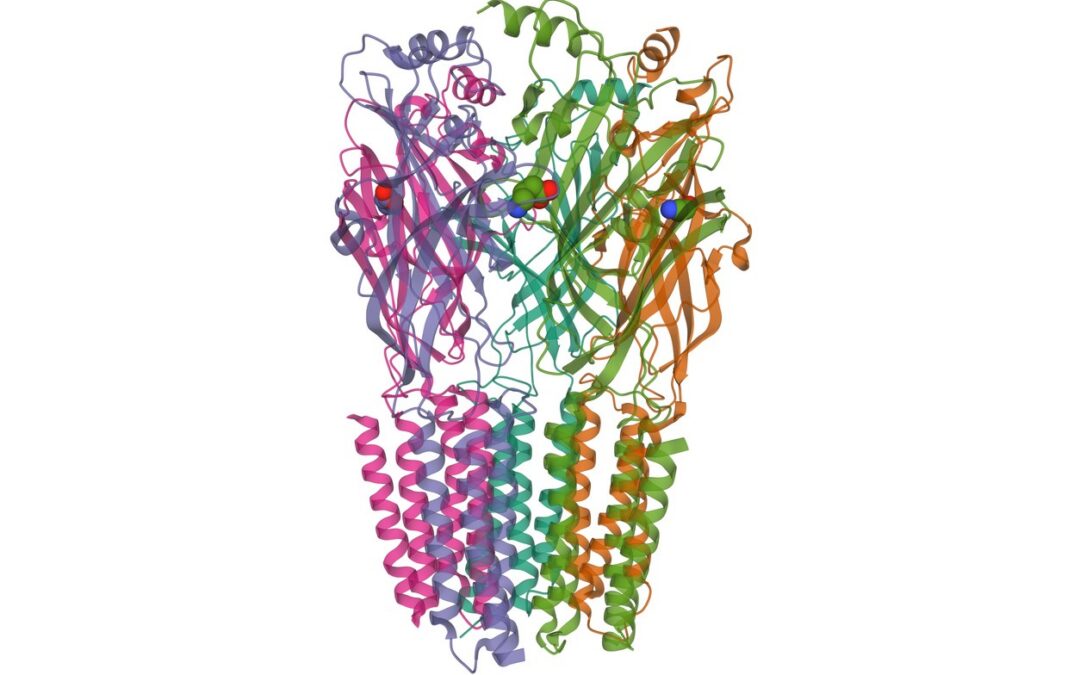
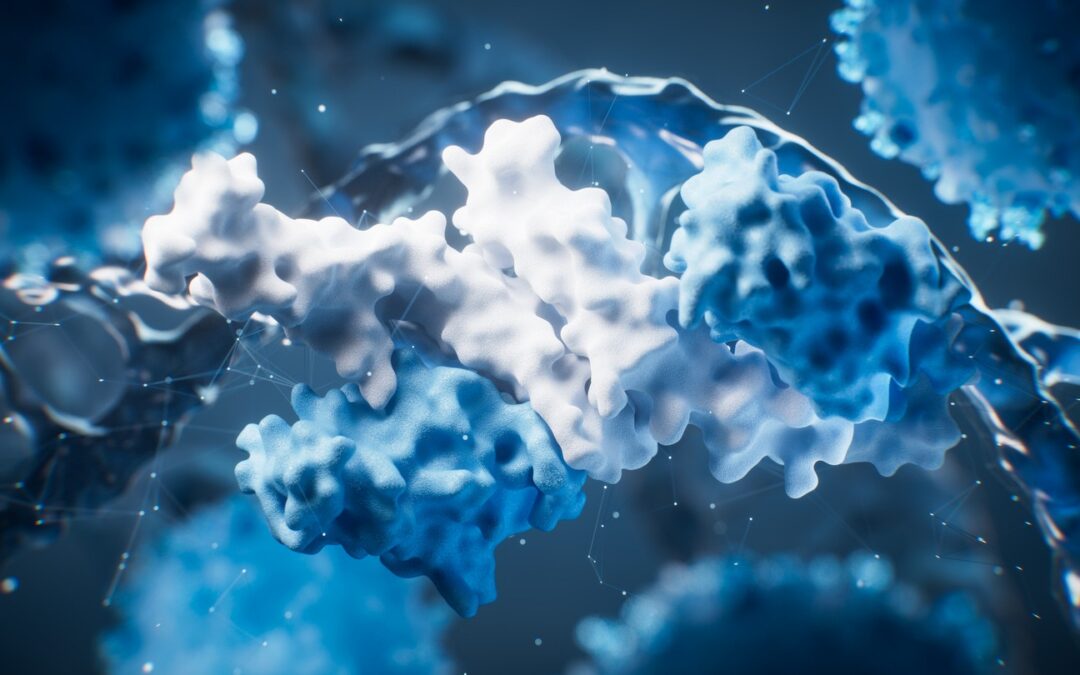
The KLOW Blend brings together four peptides, and each of them has been examined in laboratory models for its possible actions on inflammatory signaling, angiogenic signaling, and cellular repair-associated pathways. Chemically, the four molecules have little in...
On March 6, 2026, Peptide Sciences, one of the most recognized names in the research peptide space, quietly went dark. Visitors to the site were met with a farewell notice in place of the usual catalog: “After careful consideration, Peptide Sciences has made the...
AEDL, also referred to as Bronchogen, is a short peptide made of four amino acids that falls into the category of peptide bioregulators. This tetrapeptide is classified amongst the so-called Khavinson’s peptides, which stem from the team of researchers who have most...
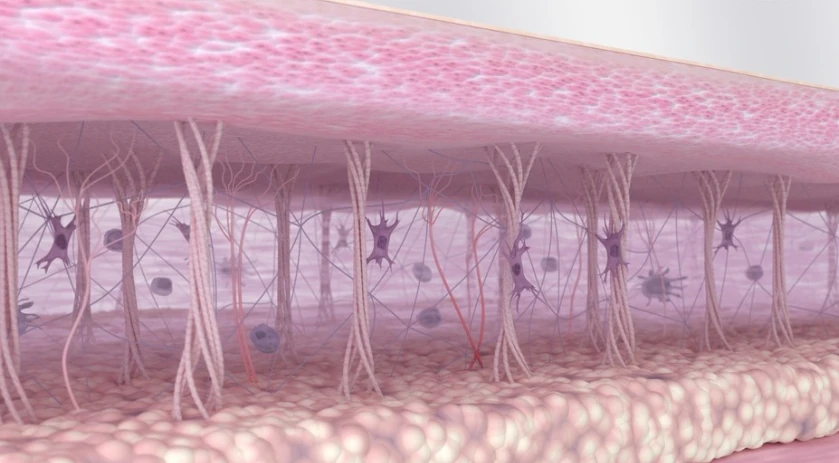
Tripeptide-1 is a tripeptide that is also referred to as GHK Basic, stemming from its sequence of Gly-His-Lys (GHK). It is purportedly found as a sequence in type 1 collagen and may signal that there is collagen breakdown to various dermal cells. Consequently, this...
KEDP, also referred to as Prostamax, is a synthetic tetrapeptide carrying the sequence Lys-Glu-Asp-Pro and belongs to the family of short bioregulators associated with the work of Khavinson. Investigators have positioned it as a candidate for tissue-specific repair...
N-Palmitoylrigin (also known as Palmitoyl Tetrapeptide-7) is a short synthetic peptide with the sequence glycyl-glutamyl-prolyl-arginine, commonly abbreviated GQPR. Laboratory descriptions of the molecule generally frame it as a candidate regulator of extracellular...