


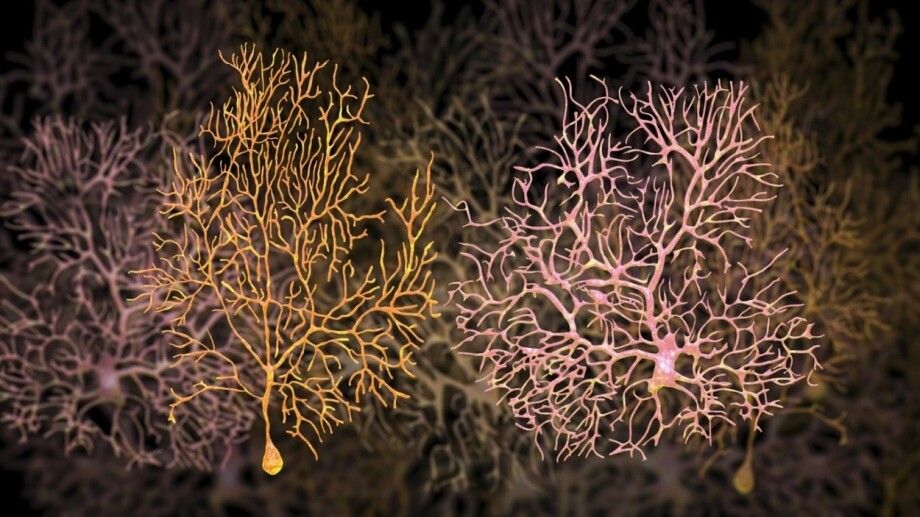
Current research publications typically include experimenting with Kisspeptin 45-54 as a tool to probe gonadotropin-releasing hormone (GnRH) related signaling in hypothalamic neuronal models, to study ovarian steroidogenic pathways in cultured granulosa cells, and to explore possible interactions with misfolded protein aggregates in neuronal cell lines.
Research
Kisspeptin 45-54 Affinity to Hypothalamic Neurons
Research by Kanasaki et al. on immortalized hypothalamic neurons suggests that Kisspeptin 45-54 may engage a variety of transcriptional programs depending on the cell model.(2) The authors examined two recently established cell lines, with the first one being mHypoA-50, which is derived from the anteroventral periventricular nucleus (AVPV). In contrast, the second one was mHypoA-55, derived from the arcuate nucleus (ARC). Both of these cell lines apparently express endogenous Kiss-1 and GnRH transcripts along with their respective receptors. But in mHypoA-50 AVPV cells, exposure to Kisspeptin 45-54 was suggested to elevate Kiss-1 mRNA and kisspeptin protein abundance, while GnRH transcript levels apparently remained largely unchanged.
In contrast, mHypoA-55 ARC cells exhibited concurrent upregulation of both Kiss-1 and GnRH mRNA in response to the peptide, suggesting that nucleus-specific wiring may shape the downstream transcriptional response. The researchers also commented that c-Fos protein levels rose in both lines after Kisspeptin 45-54 stimulation, which is generally interpreted as a surrogate marker of neuronal activation in such culture systems.
Notably, hypothalamic cells are considered important regulators that may modulate the variety of other neurons and even endocrine cells, thus suggesting that Kisspeptin 45-54 may hold potential in experiments related to modulating such intercellular communications. Thus, the authors posited that “Kisspeptin and gonadotropin-releasing hormone (GnRH) [may be] central regulators of the hypothalamic-pituitary-gonadal axis and control […] reproductive functions” on a cellular level.
Kisspeptin 45-54 Activity in the Gonadotropic Axis
Building on the in vitro observations by Kanasaki et al, other studies suggest that the modulation of hypothalamic neurons may translate to other neuronal and endocrine cells, such as those producing GnRH.(2) Garcia et al. have commented that Kisspeptin 45-54 exposure to laboratory models apparently elicits GnRH release in a concentration-responsive fashion, with the magnitude of the response shifting depending on the maturation level of the models.(3) Within this framework, the peptide is positioned as a potential probe to investigate how kisspeptin and NKB neurons reciprocally modulate one another.
Outside the central nervous system, Guo et al. examined possible peripheral actions of Kisspeptin 45-54 in granulosa cells (BGCs), focusing on progesterone (P4) biosynthesis and the role of microRNA-1246 (miR-1246). Exposure of BGCs to the peptide apparently produced higher P4 output, increased StAR mRNA expression, and elevated free cholesterol availability, together with a concurrent decrease in miR-1246 abundance.(4) The authors suggest that Kisspeptin 45-54 may promote progesterone biosynthesis in BGCs at least in part by relieving miR-1246–mediated suppression of cholesterol transport machinery.
Kisspeptin 45-54 and Misfolded Protein Aggregates in Cholinergic Neurons
A separate line of work suggests that Kisspeptin 45-54 may interact with amyloidogenic peptides extracellularly, with possible downstream implications for cholinergic neuron survival in cultures. Notably, publications by Milton et al. suggest that kisspeptin peptides such as Kisspeptin 45-54 may apparently bind amyloid-β (Aβ) and reduce its in vitro toxicity.(5) Specifically, the researchers commented that the peptide may have “[mitigated] the neurotoxicity of Aβ, PrP, and IAPP peptides, via an action that [may] not be blocked by kisspeptin-receptor (GPR-54) or neuropeptide FF (NPFF) receptor antagonists.”
This pattern is interpreted as pointing to a direct peptide–peptide interaction rather than a strictly receptor-mediated action in such research models. Given the structural overlap between the non-amyloid-β component (NAC) of α-synuclein (α-syn) and the C-terminal region of Aβ, research by Simon et al. extended this framework to α-syn.(6)
Using cholinergic cell models, they suggested that higher concentrations of Kisspeptin 45-54 may apparently increase cellular stress. In contrast, lower concentrations were associated with reduced toxicity from both wild-type and E46K mutant α-syn. Complementary computational docking suggested potentially favorable contacts between Kisspeptin 45-54 and C-terminal residues of α-syn, while molecular dynamics simulations were taken to indicate that the resulting peptide–protein complexes may remain reasonably stable across the simulated trajectories.
In a follow-up study, again by the team of Simon et al., using ChAT-positive SH-SY5Y neurons engineered to overexpress wild-type or E46K mutant α-syn transiently, the authors examined whether GPR54 engagement is required for the apparent protective activity.(7) Flow cytometric and immunocytochemical readouts suggested that exogenous Kisspeptin 45-54 may reduce α-syn–associated apoptosis and mitochondrial depolarization in cholinergic-differentiated cells. Kisspeptin 45-54 exposure also appeared to lower α-syn and choline acetyltransferase (ChAT) immunoreactivity in the engineered neurons, hinting at possible engagement of intracellular aggregate handling pathways.
Kisspeptin 45-54 and Orexigenic Signaling in Hypothalamic Cells
Further research by Orlando et al. probed possible metabolic and orexigenic correlates of Kisspeptin 45-54 using the Hypo-E22 hypothalamic cell line, with attention to neuropeptide Y (NPY) and brain-derived neurotrophic factor (BDNF) transcripts as well as monoamine turnover.(8) Hypo-E22 cells apparently tolerated the peptide, with NPY gene expression rising and BDNF expression apparently declining following exposure.
Biogenic amine measurements suggested a concurrent reduction in dopamine (DA) and serotonin (5-HT) content, while norepinephrine (NE) levels reportedly remained largely unchanged. The increases in the DOPAC/DA and 5-HIIA/5-HT ratios were posited to be consistent with accelerated turnover of these monoamines. The authors interpret the combination of elevated NPY transcription alongside attenuated BDNF and 5-HT signaling as a potentially orexigenic profile within this in vitro paradigm. However, such inferences remain restricted to the cell model in question.
NOTE: These products are intended for laboratory research use only. This peptide is not intended for personal use. Please review and adhere to our Terms and Conditions before ordering.
References:
- Kotani M, Detheux M, Vandenbogaerde A, Communi D, Vanderwinden JM, Le Poul E, Brézillon S, Tyldesley R, Suarez-Huerta N, Vandeput F, Blanpain C, Schiffmann SN, Vassart G, Parmentier M. The metastasis suppressor gene KiSS-1 encodes kisspeptins, the natural ligands of the orphan G protein-coupled receptor GPR54. J Biol Chem. 2001 Sep 14;276(37):34631-6. doi: 10.1074/jbc.M104847200. PMID: 11457843.
- Kanasaki H, Tumurbaatar T, Tumurgan Z, Oride A, Okada H, Kyo S. Mutual Interactions Between GnRH and Kisspeptin in GnRH- and Kiss-1-Expressing Immortalized Hypothalamic Cell Models. Reprod Sci. 2021 Dec;28(12):3380-3389. doi: 10.1007/s43032-021-00695-z. PMID: 34268716.
- Garcia JP, Keen KL, Seminara SB, Terasawa E. Role of Kisspeptin and NKB in Puberty in Nonhuman Primates: Sex Differences. Semin Reprod Med. 2019 Mar;37(2):47-55. doi: 10.1055/s-0039-3400253. PMID: 31847024.
- Guo L, Xu H, Li Y, Liu H, Zhao J, Lu W, Wang J. Kisspeptin-10 Promotes Progesterone Synthesis in Bovine Ovarian Granulosa Cells via Downregulation of microRNA-1246. Genes (Basel). 2022 Feb 3;13(2):298. doi: 10.3390/genes13020298. PMID: 35205342.
- Milton NG, Chilumuri A, Rocha-Ferreira E, Nercessian AN, Ashioti M. Kisspeptin prevention of amyloid-β peptide neurotoxicity in vitro. ACS Chem Neurosci. 2012 Sep 19;3(9):706-19. doi: 10.1021/cn300045d. PMID: 23019497; PMCID: PMC3447396.
- Simon C, Soga T, Ahemad N, Bhuvanendran S, Parhar I. Kisspeptin-10 Rescues Cholinergic Differentiated SHSY-5Y Cells from α-Synuclein-Induced Toxicity In Vitro. Int J Mol Sci. 2022 May 6;23(9):5193. doi: 10.3390/ijms23095193. PMID: 35563582.
- Simon C, Soga T, Parhar I. Kisspeptin-10 Mitigates α-Synuclein-Mediated Mitochondrial Apoptosis in SH-SY5Y-Derived Neurons via a Kisspeptin Receptor-Independent Manner. Int J Mol Sci. 2023 Mar 24;24(7):6056. doi: 10.3390/ijms24076056. PMID: 37047030.
- Orlando G, Leone S, Ferrante C, Chiavaroli A, Mollica A, Stefanucci A, Macedonio G, Dimmito MP, Leporini L, Menghini L, Brunetti L, Recinella L. Effects of Kisspeptin-10 on Hypothalamic Neuropeptides and Neurotransmitters Involved in Appetite Control. Molecules. 2018 Nov 23;23(12):3071. PMID: 30477219. https://doi.org/10.3390/molecules23123071