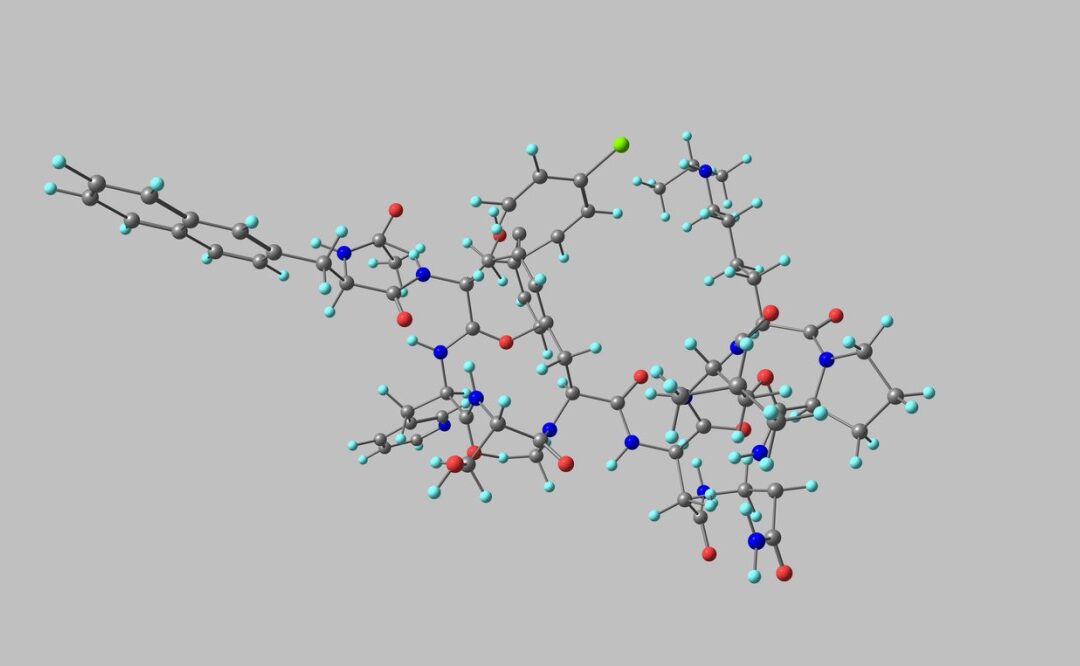
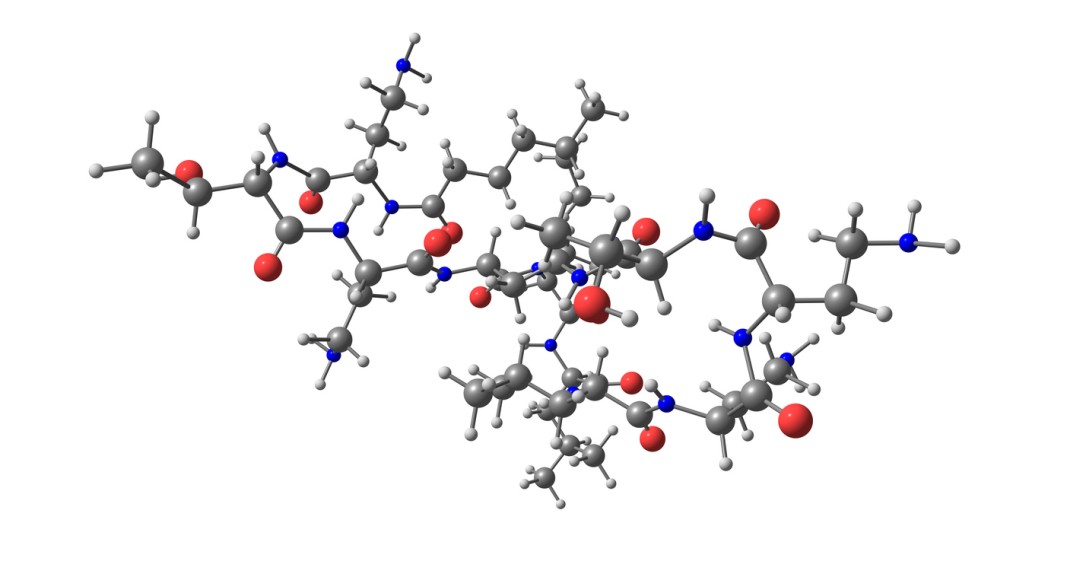
Research posits that blending Ipamorelin and CJC-1295 peptides during in vitro research may provide complementary mechanisms. This may potentially include support for overall stimulation of growth hormone secretion from target cells through distinct yet synergistic...
CJC-1295 and GHRP-6 are synthetic research peptides that are of interest to researchers primarily for their potential to interact with pituitary gland cells. They may interact with receptors on the pituitary gland that are involved in the synthesis of growth hormone...
CJC-1295 and Growth hormone–releasing peptide–2 (GHRP-2) represent two distinct but potentially complementary strategies for increasing growth hormone (GH) output in laboratory settings. GHRP‑2 is a small, synthetic hexapeptide originally engineered from modifications...
In recent years, researcher-driven investigations in laboratory settings have explored the potential of BPC-157 and TB-500 blend. These are two synthetic peptides that may support fundamental repair-related processes in different cells and tissues. According to...
Frag 176-191, Mod GRF 1-29, and Ipamorelin are peptides that researchers believe may impact the metabolism of fat cells through several different mechanisms. For example, Fragment 176-191 is typically characterized as a synthetic peptide derived from the C-terminal...
Modified Growth Hormone Releasing Factor (Mod GRF (1-29)) and Growth Hormone Releasing Peptide-6 (GHRP-6) are research peptides that may interact with different receptors on pituitary cells and possibly trigger the production of growth hormone (hGH). It is thought...